6
5.0 / 5.0
8
20
18
150
Sponsors
Main Sposor
Participating entities
Event summary
Opening session
The Regulatory Framework of Advocacy and the Challenges of Legal Marketing in the Arab World
Speech of the Conference Secretary-General
Speeches by Representatives of Participating Entities Discussing:
-
The current state of professional regulation for the legal profession in their respective countries.
-
Practical challenges facing the control/regulation of legal marketing.
-
Proposals for developing legislative and professional frameworks to achieve a balance between values and competition.
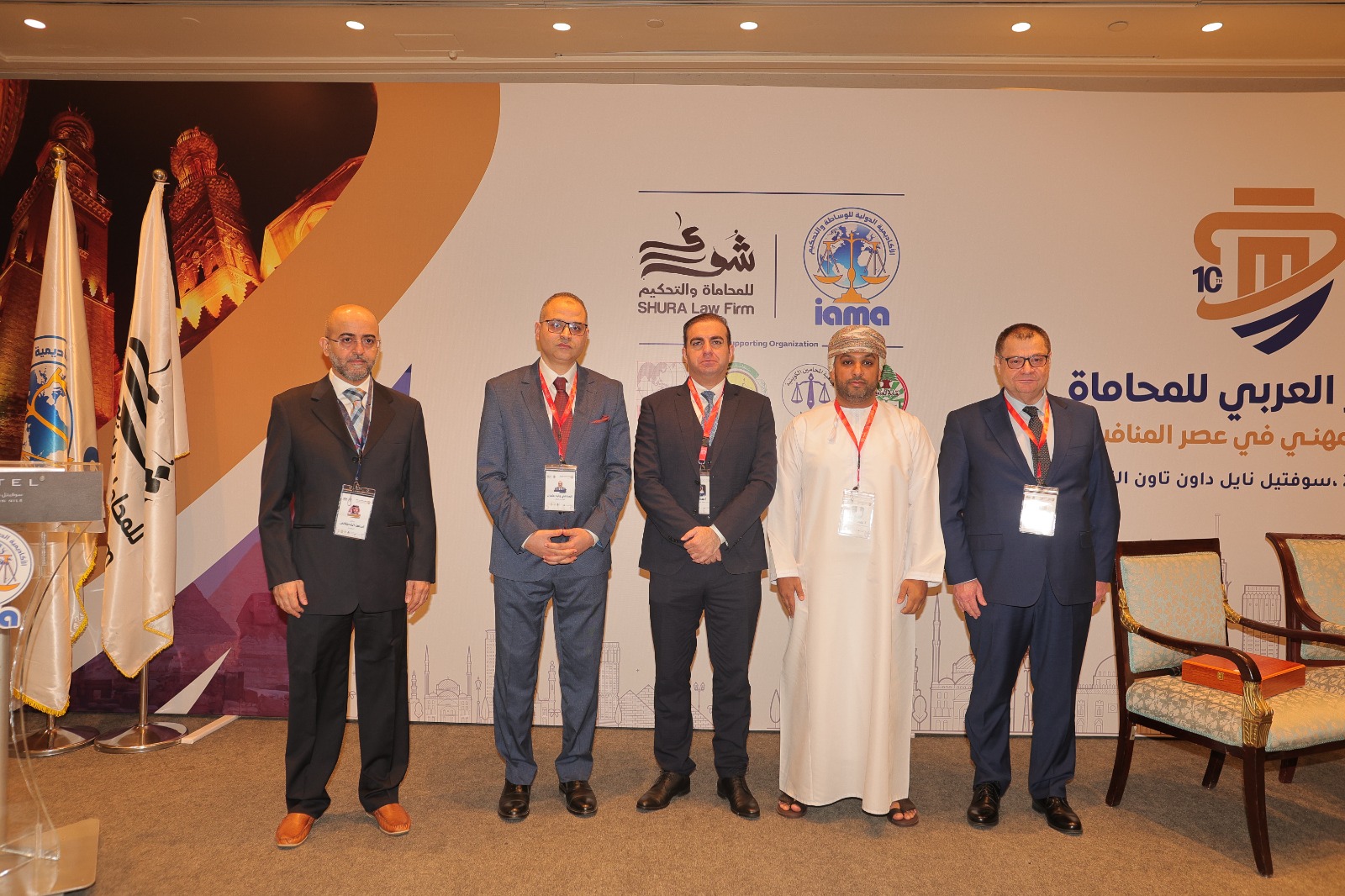
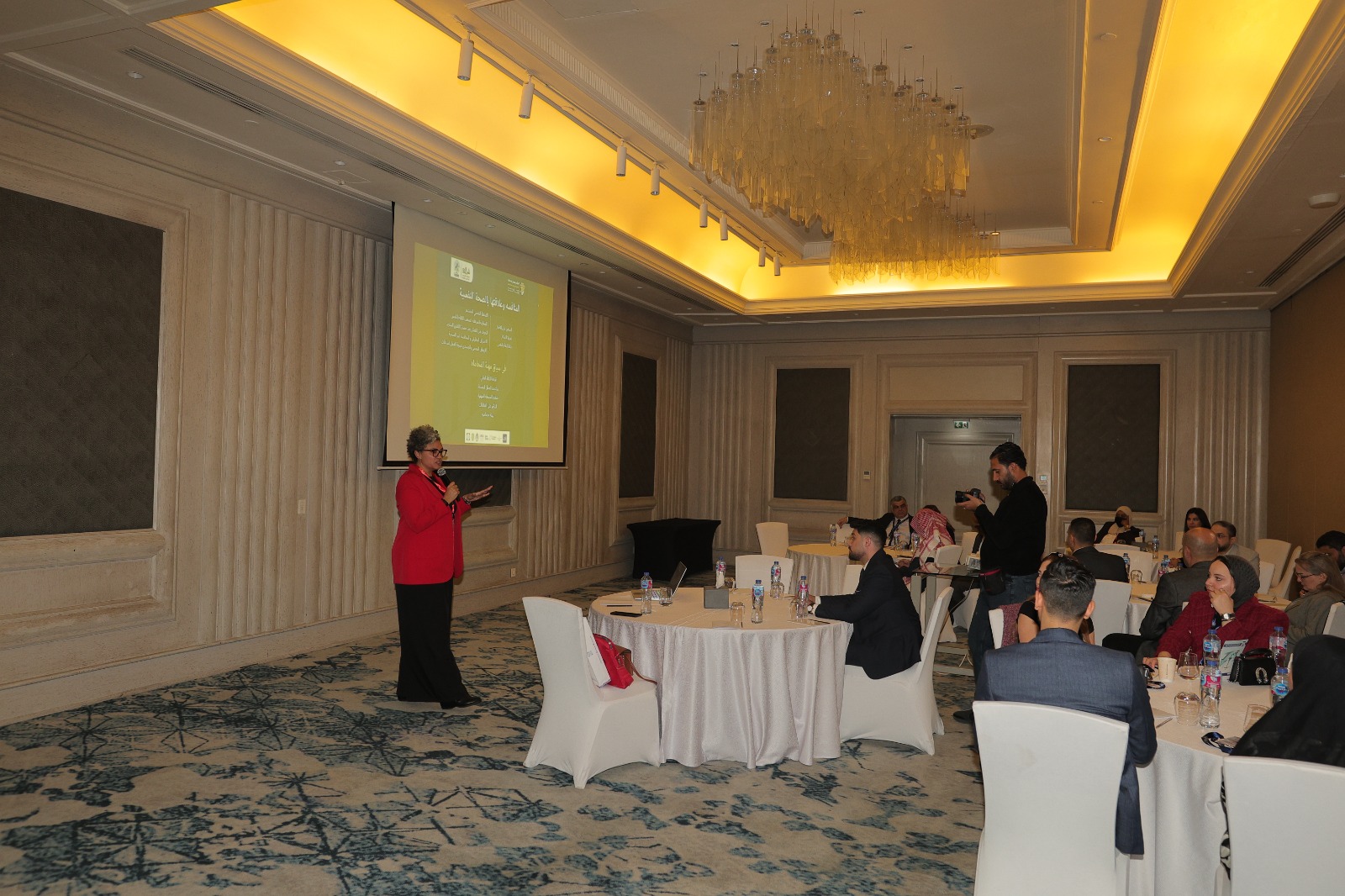
The session addressed the concept of corporate identity for law firms and explored how amendments to the Law of the Legal Profession in the Kingdom of Saudi Arabia have impacted competition within the legal market. It also examined the influence of mergers on the identity and professional image of legal firms. Furthermore, the session highlighted the role of artificial intelligence in shaping the corporate identity of law firms—including the existence of internal policies governing its use—and discussed the significance of platforms that rank law firms and individual lawyers, their role in building or reflecting professional reputations, and the fairness of the evaluation processes employed by these platforms.
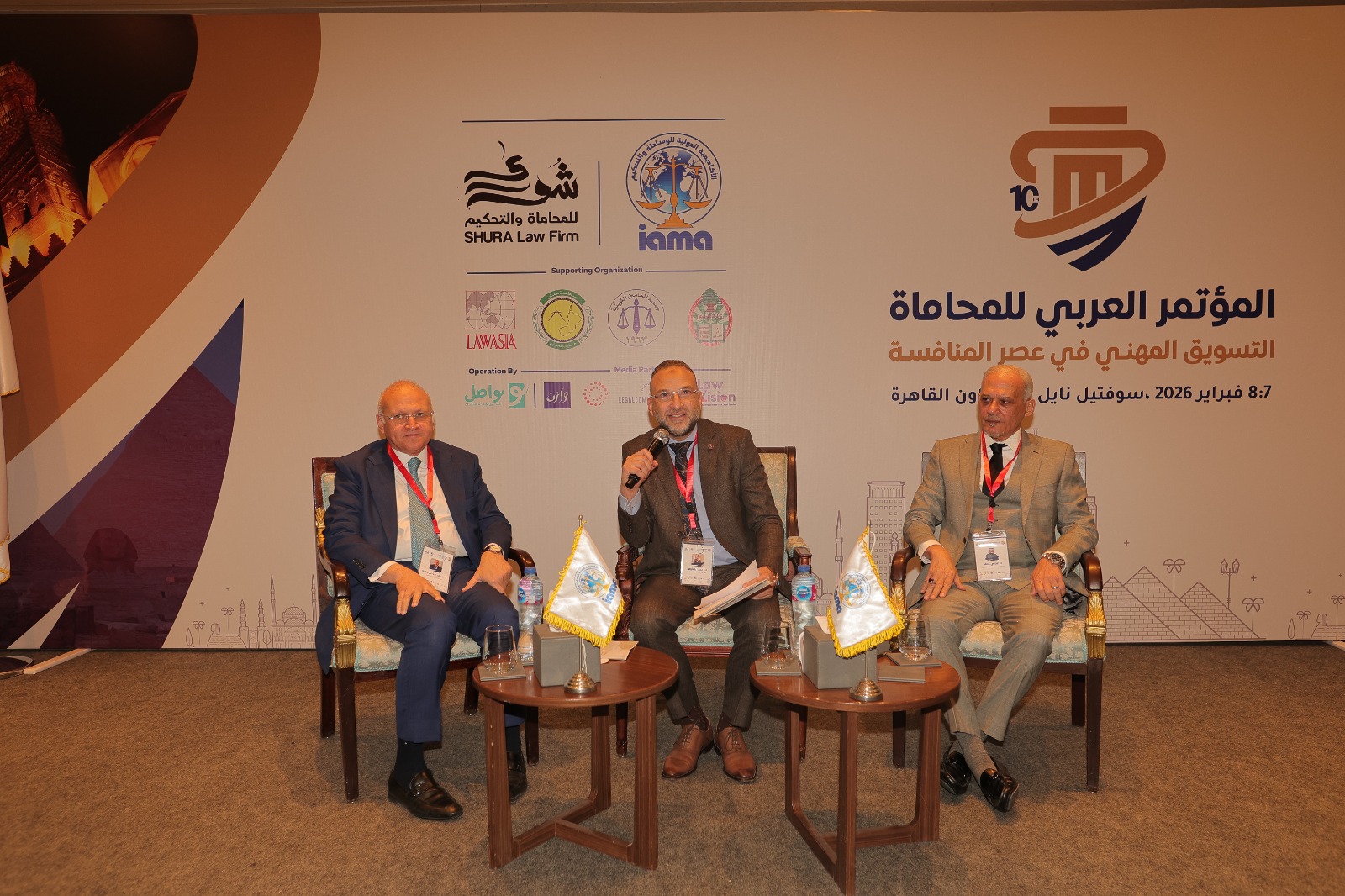
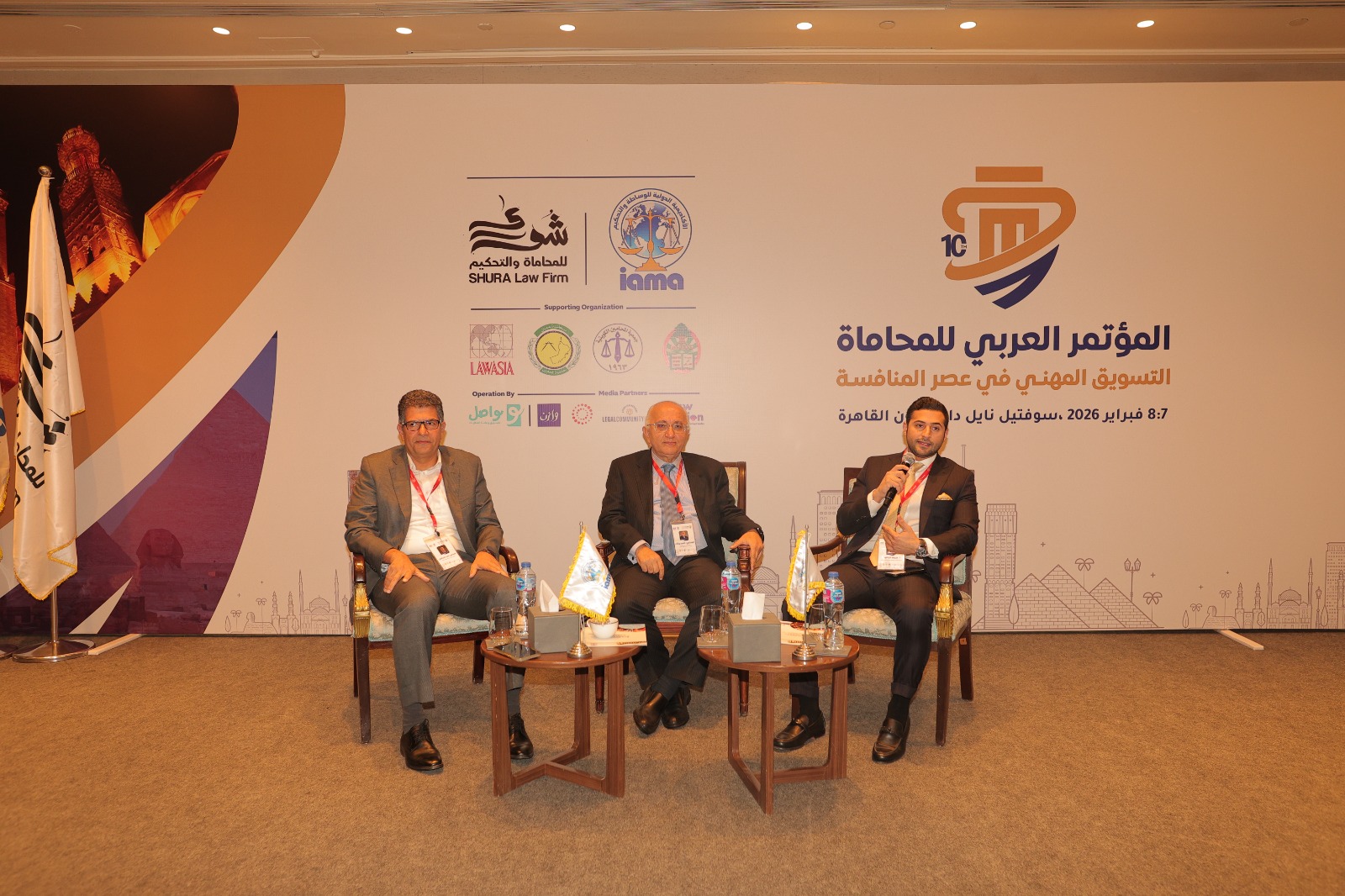
The workshop explored marketing as one of the fundamental pillars of any institution’s success, highlighting its role in shaping brand perception, building trust, and sustaining institutional growth. It then examined the importance of marketing within the legal sector, addressing and correcting several common misconceptions among lawyers, particularly the confusion between professional marketing and unprofessional advertising. The workshop also challenged the traditional perception that marketing undermines the legal profession, emphasizing that the noble mission of legal practice is entirely compatible with the use of well-regulated professional marketing tools. When aligned with the profession’s ethical standards, these tools can help structure relationships with the public, strengthen trust, and establish a professional institutional presence for law firms in the legal market.
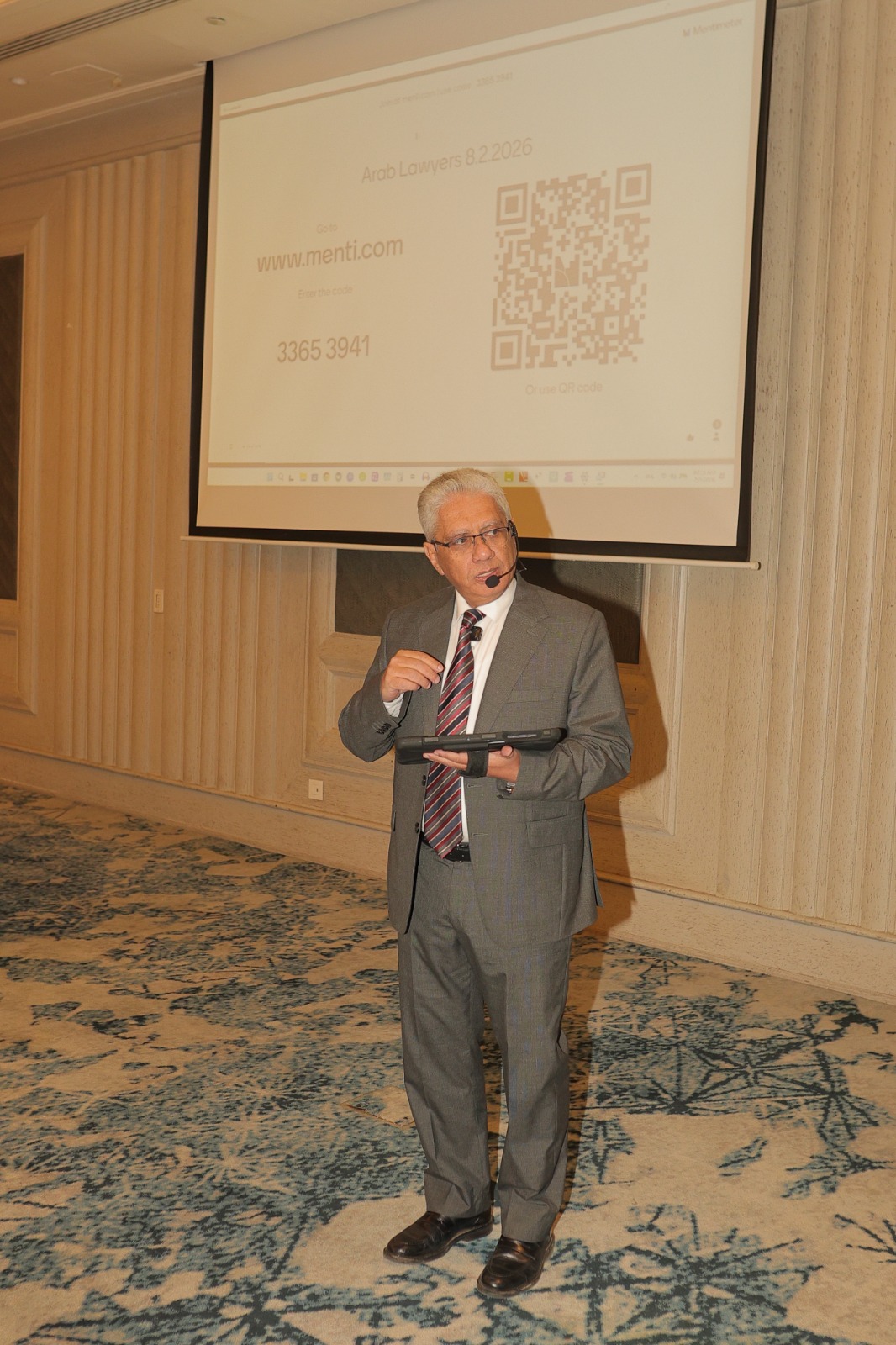
The workshop addressed mental health in the legal profession as one of the most pressing contemporary challenges facing legal practitioners, given the pressures of work, heavy caseloads, and the nature of professional responsibilities.
It examined the effects of psychological stress and professional burnout, emphasizing the importance of maintaining a healthy work-life balance. The workshop also highlighted psychological support mechanisms within legal workplaces and the importance of fostering an organizational culture that prioritizes mental well-being.
In addition, it explored practical tools for managing stress, developing psychological resilience, and enhancing self-awareness among lawyers. These approaches aim to improve professional quality of life, enhance performance, and promote long-term career sustainability within law firms.
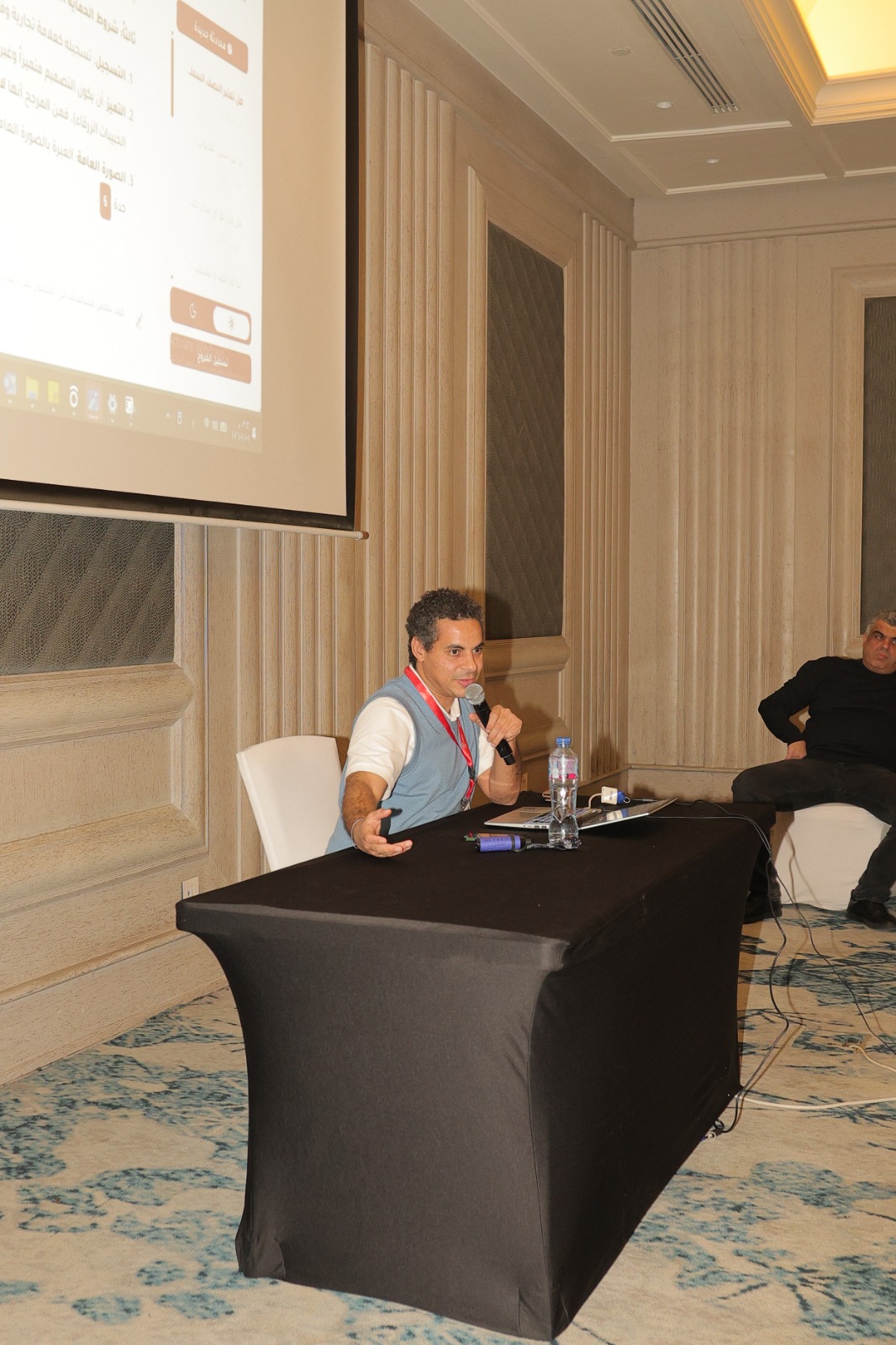
Managing Law Firms with Artificial Intelligence
The workshop, “Managing Law Firms with Artificial Intelligence,” explored the practical transformations that AI technologies have brought to legal management and how they can be effectively integrated into law firms amid rapid technological advancements and growing professional demands.
The workshop included a hands-on demonstration and practical application of AI tools, highlighting their potential to streamline file management, support decision-making, and improve time management within law firms.
The speaker also presented practical examples of effective AI tools, such as Manus AI, illustrating how these solutions can support lawyers in their daily work while preserving their professional role and legal responsibility.
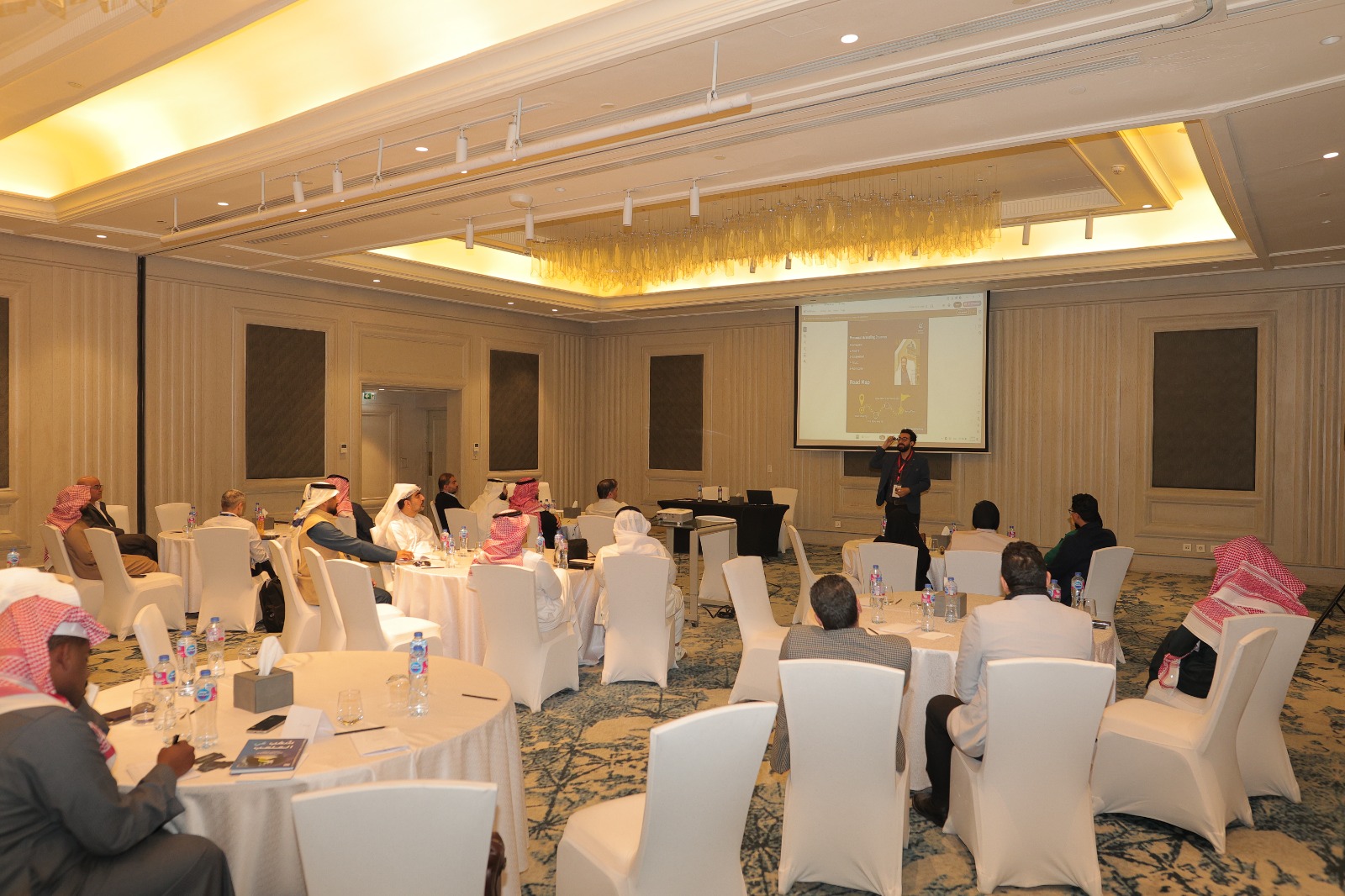
The workshop explored mental health in the legal profession as one of the most significant contemporary challenges facing legal practitioners, given the pressures of work, heavy caseloads, and the demanding nature of professional responsibilities.
It examined the impact of psychological stress and professional burnout, emphasizing the importance of maintaining a healthy work-life balance. The workshop also highlighted psychological support mechanisms within legal workplaces and the need to foster an organizational culture that prioritizes mental well-being.
Additionally, it presented practical tools for managing stress, developing psychological resilience, and enhancing self-awareness among lawyers. These approaches aim to improve professional quality of life, enhance performance, and promote long-term career sustainability within law firms.
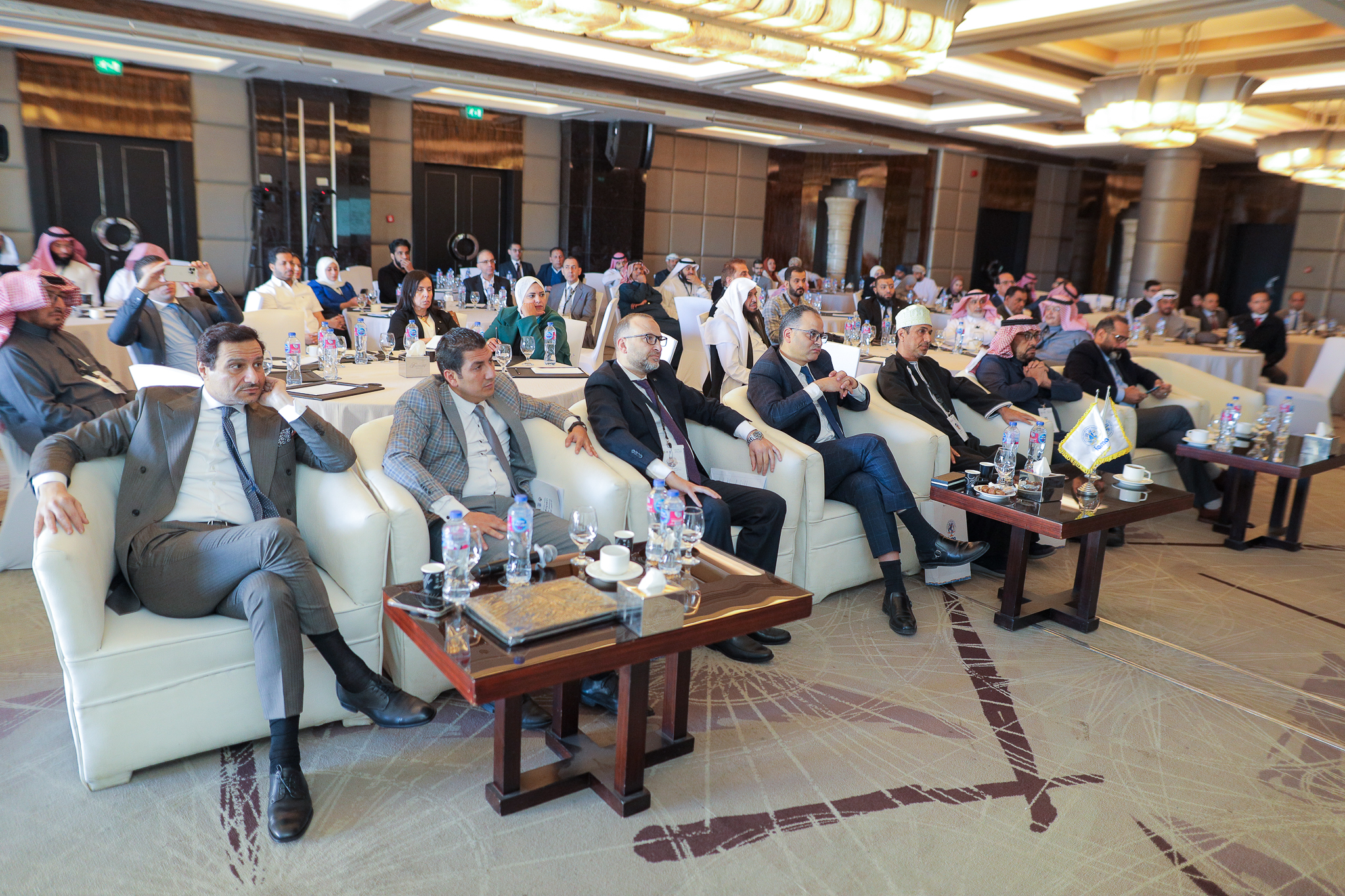
Conference Galleries
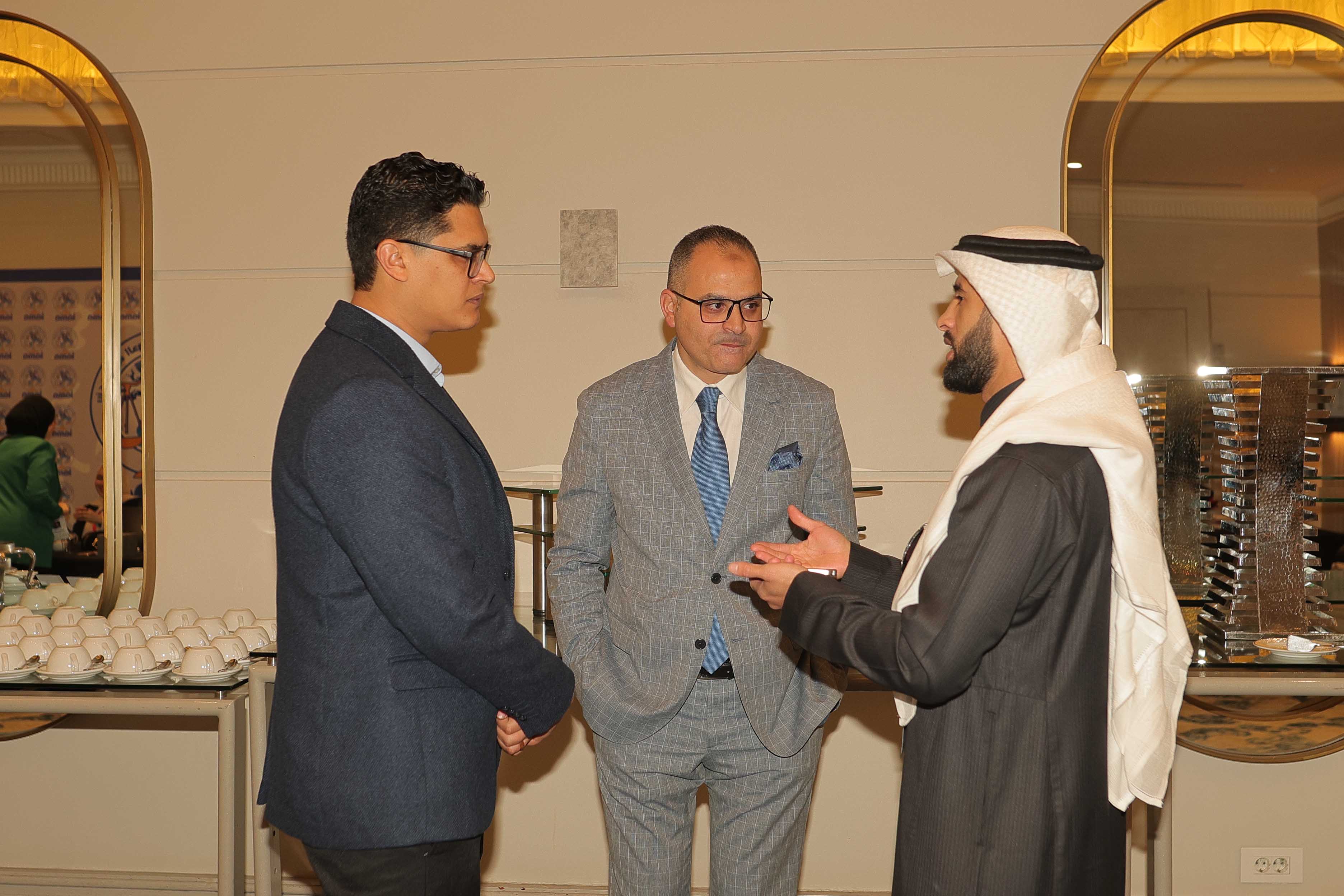
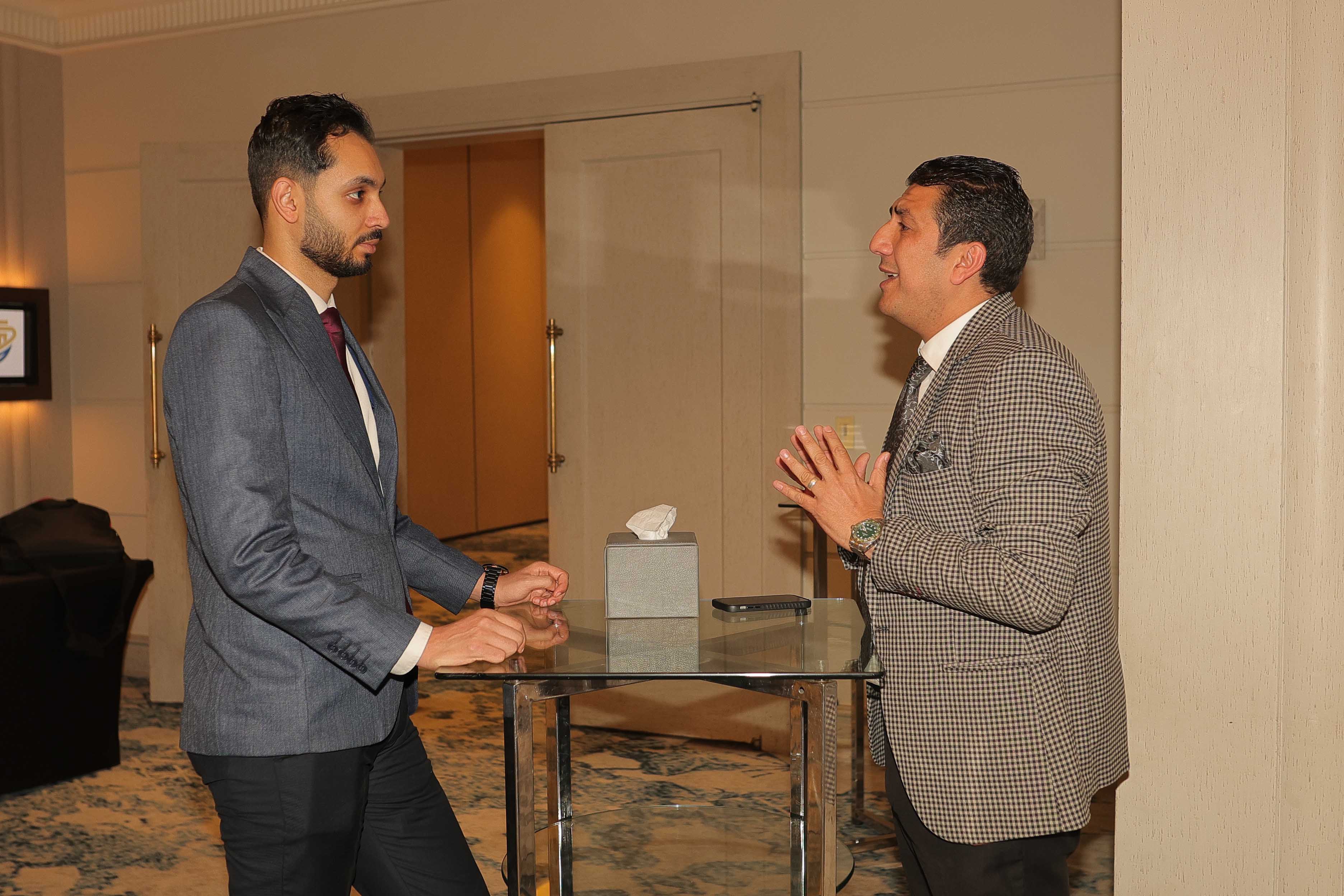
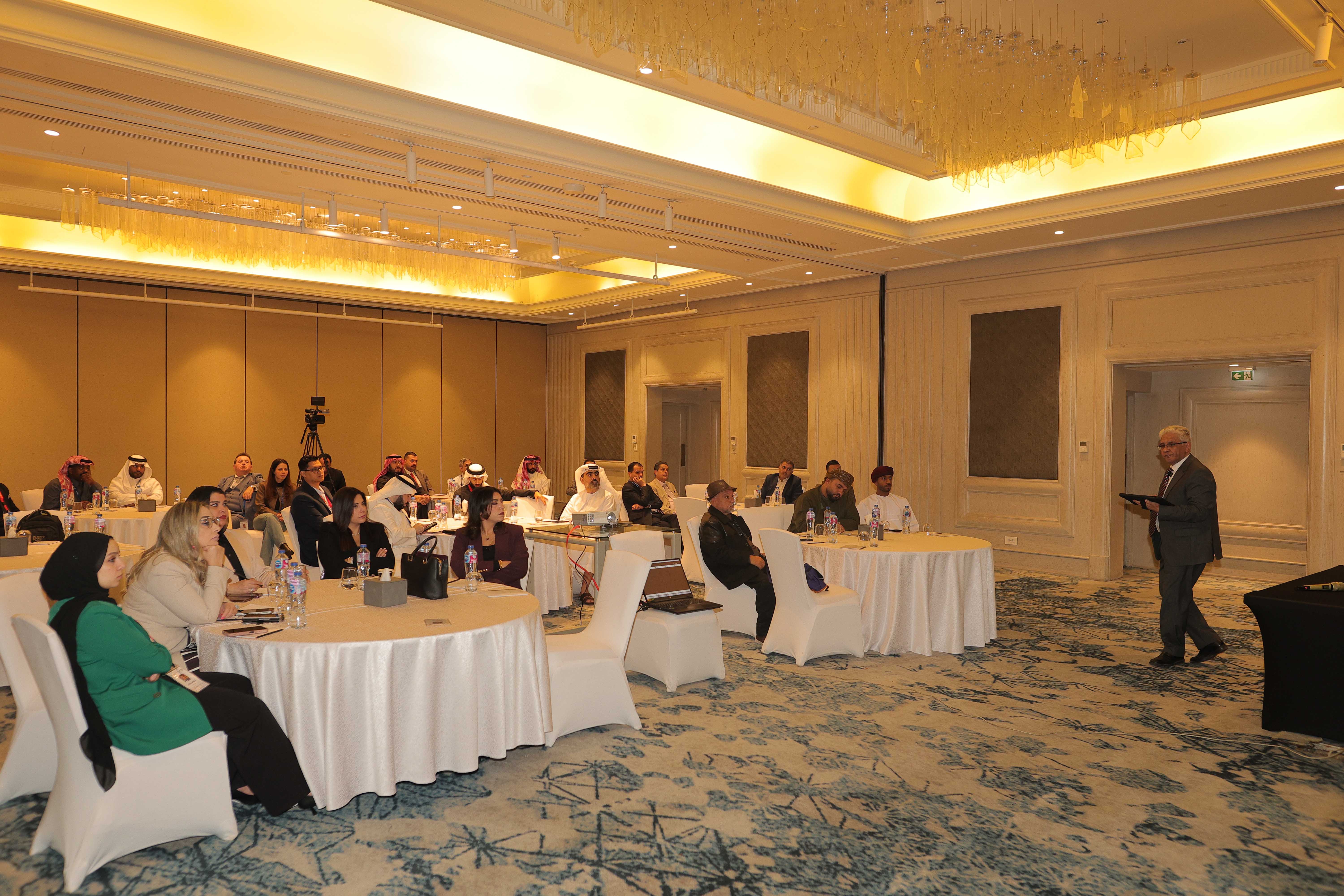
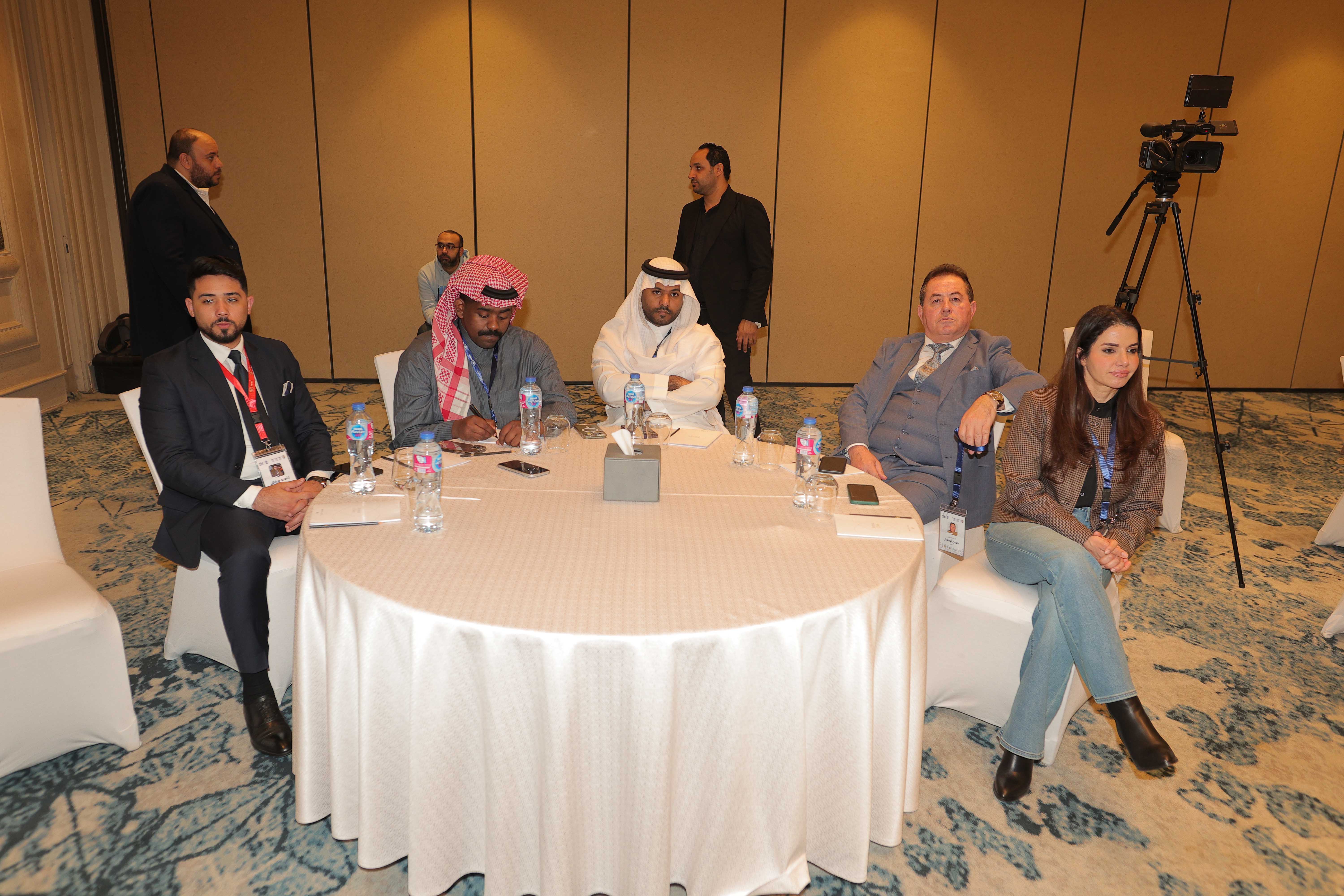
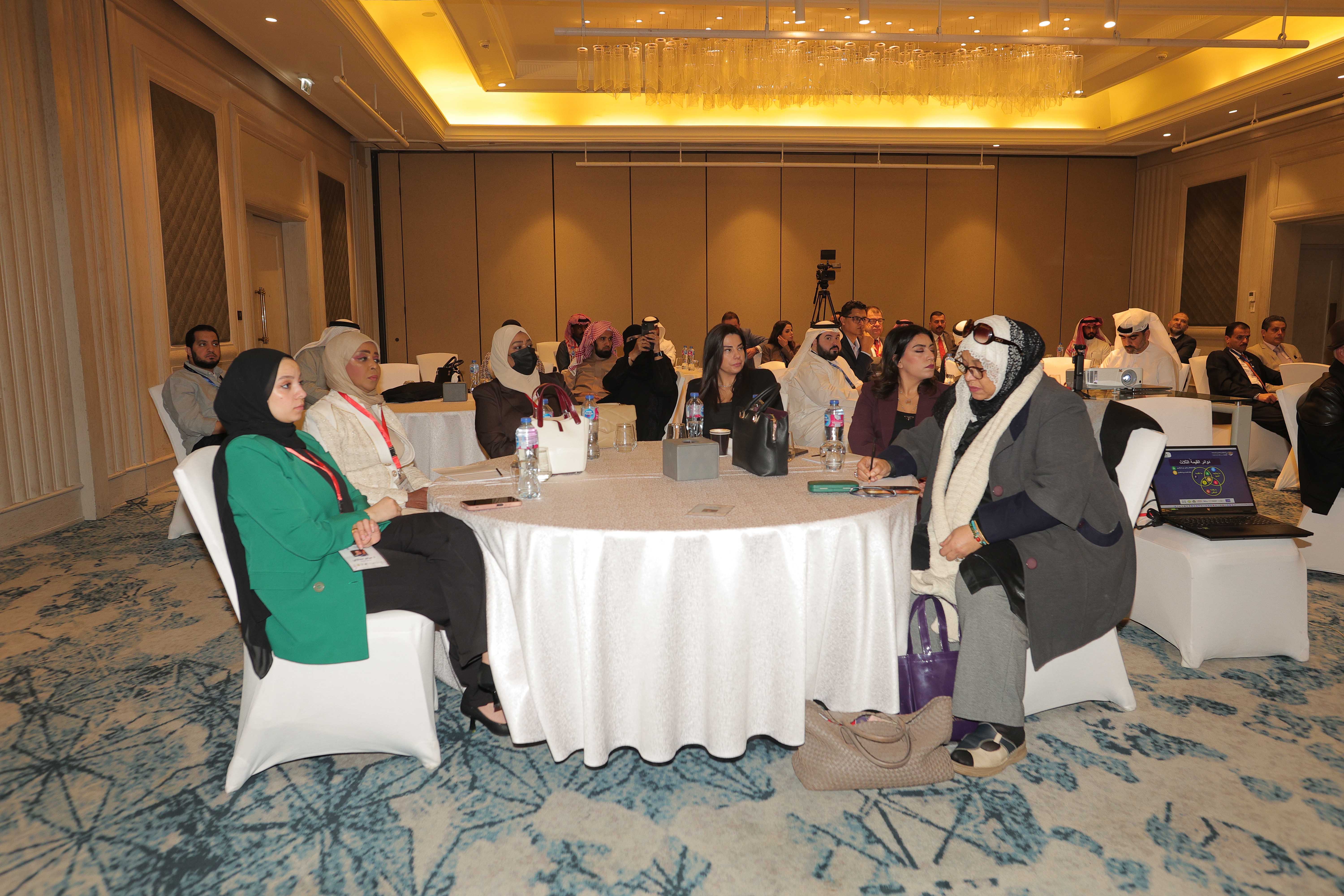
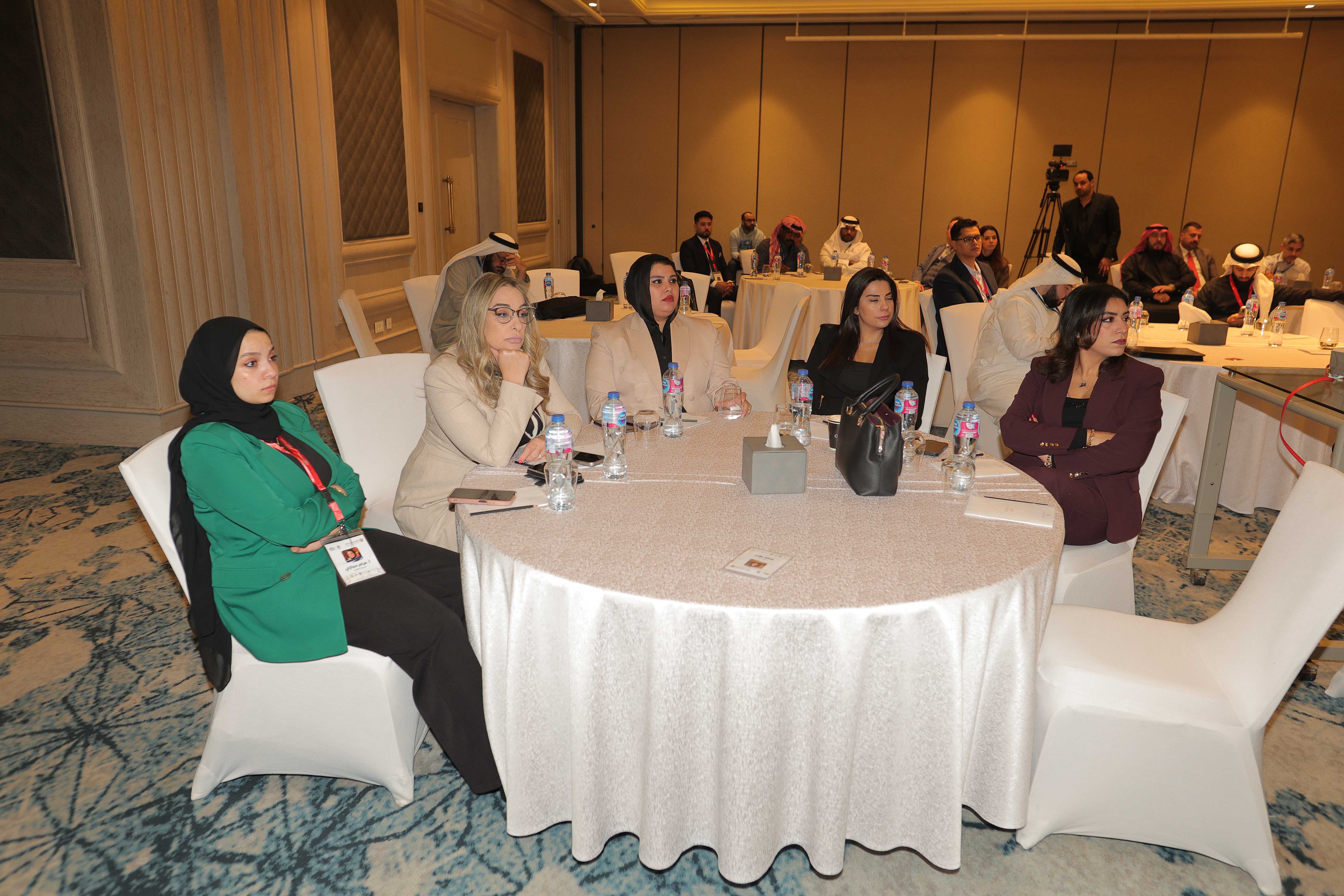
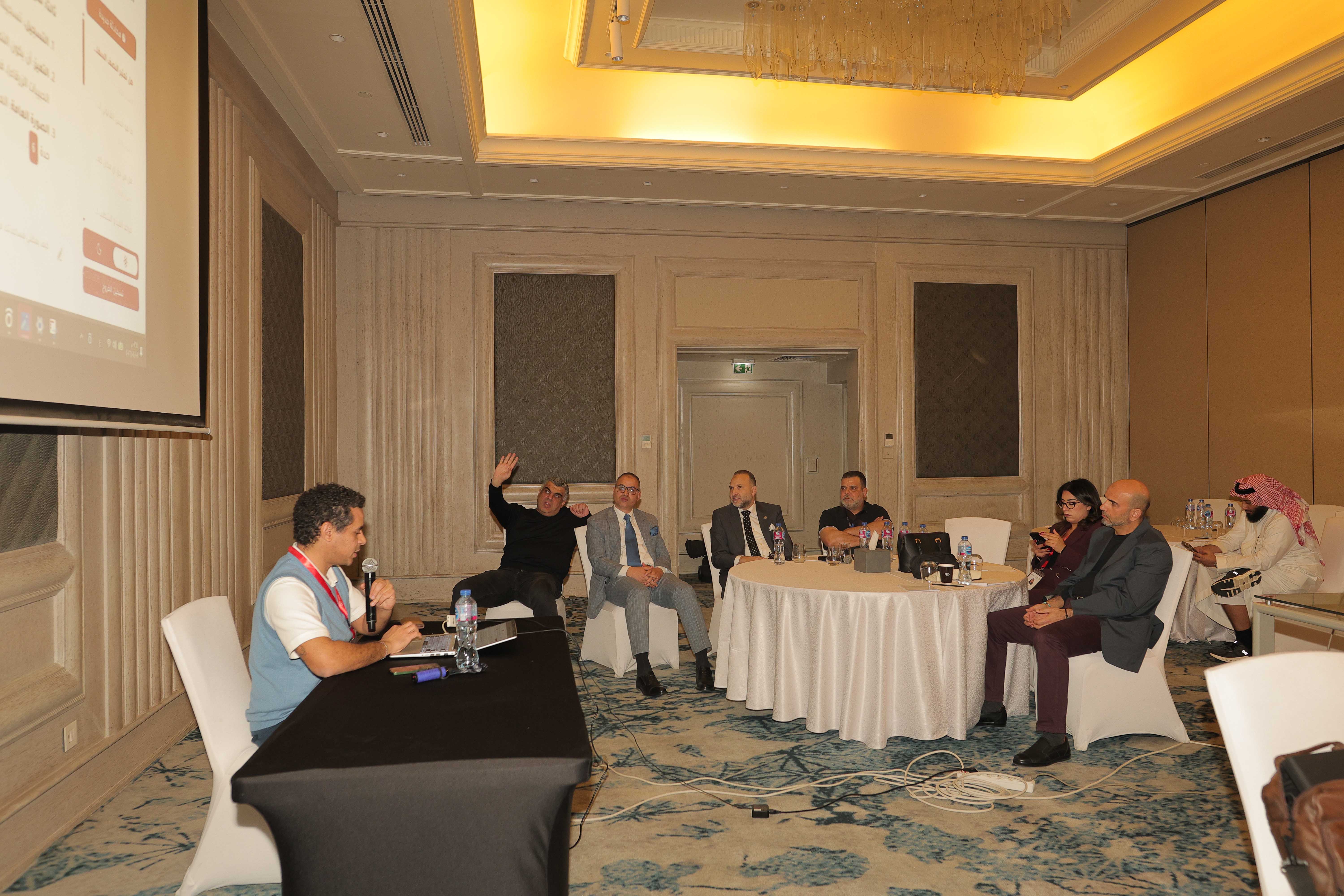
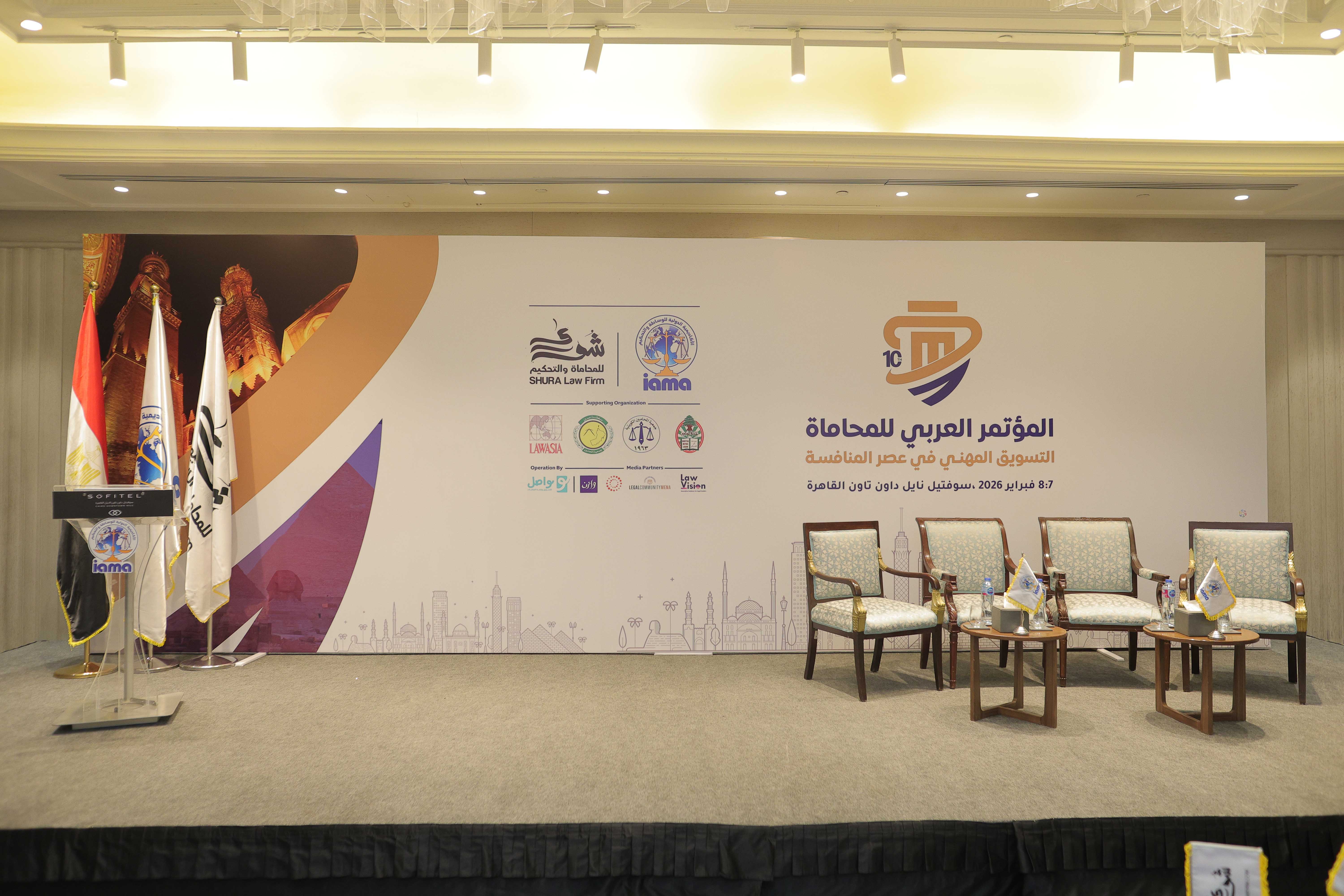
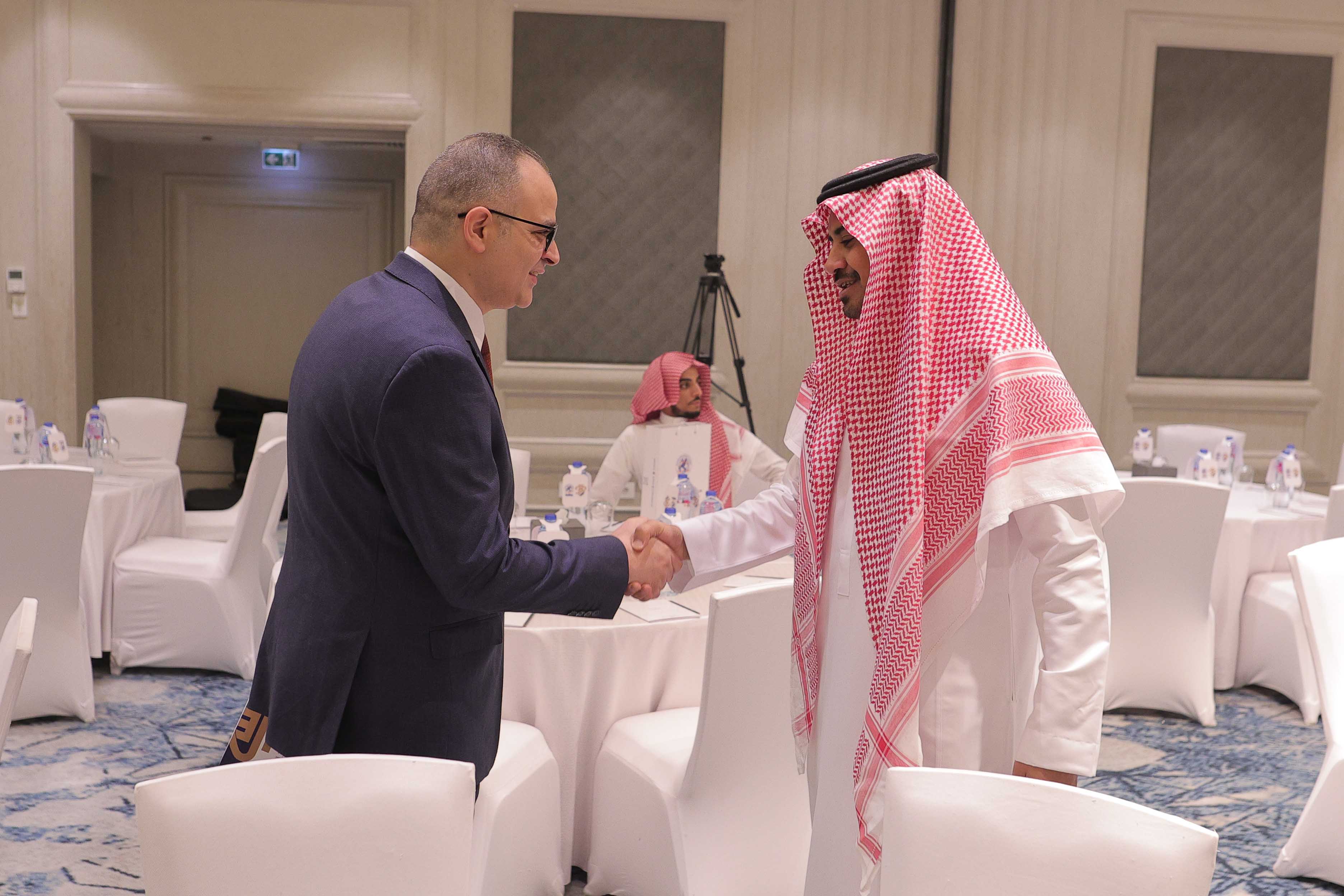
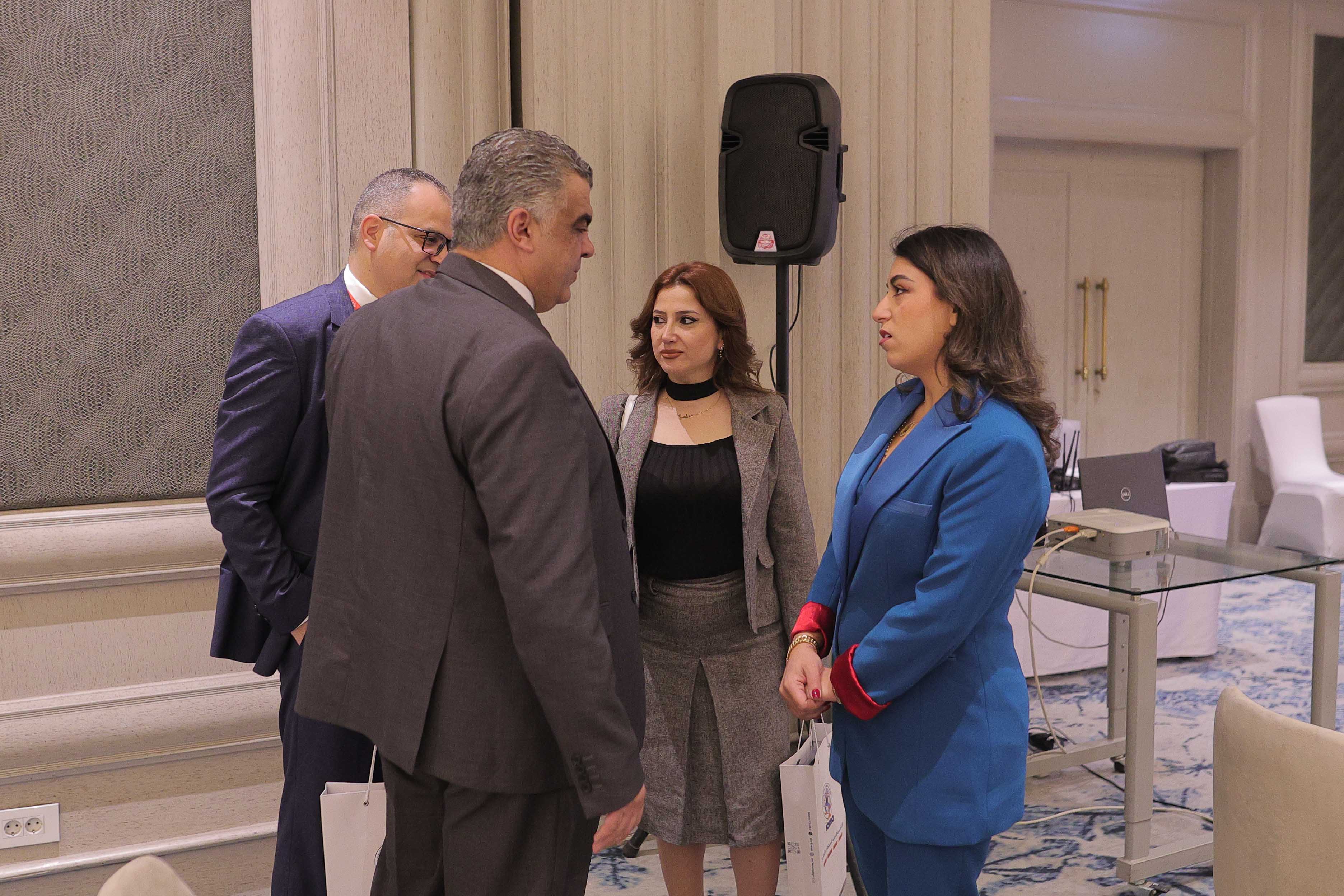
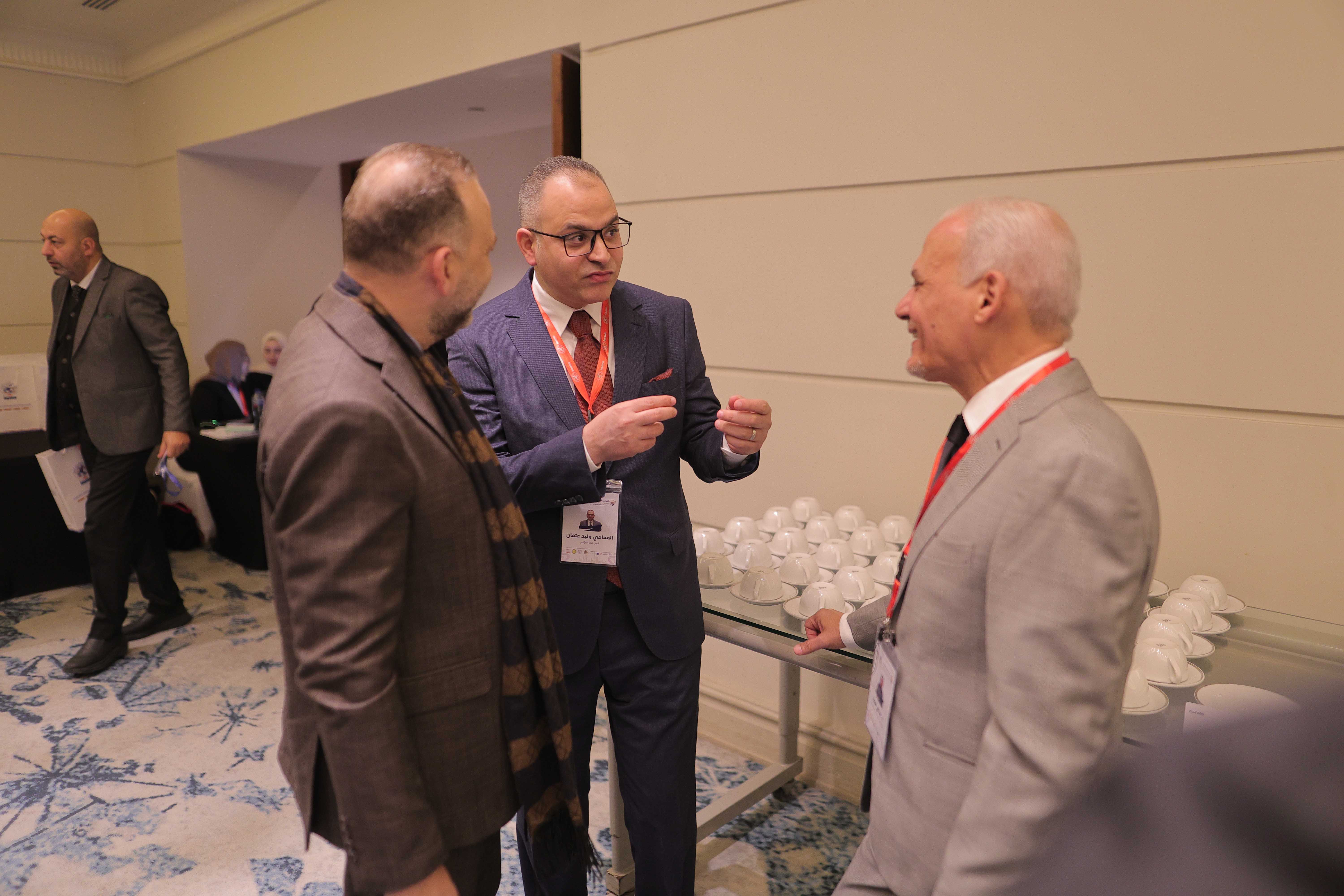
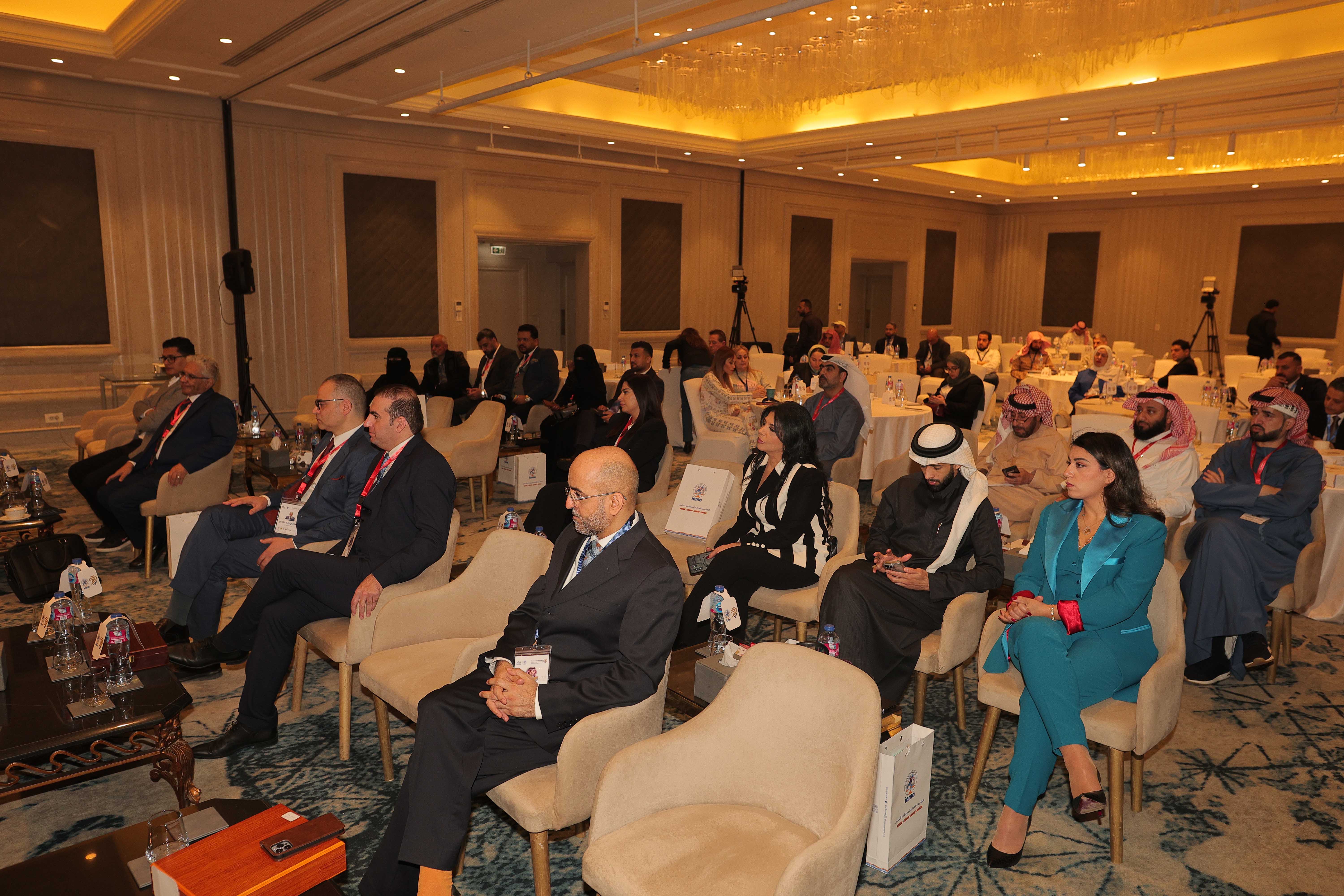
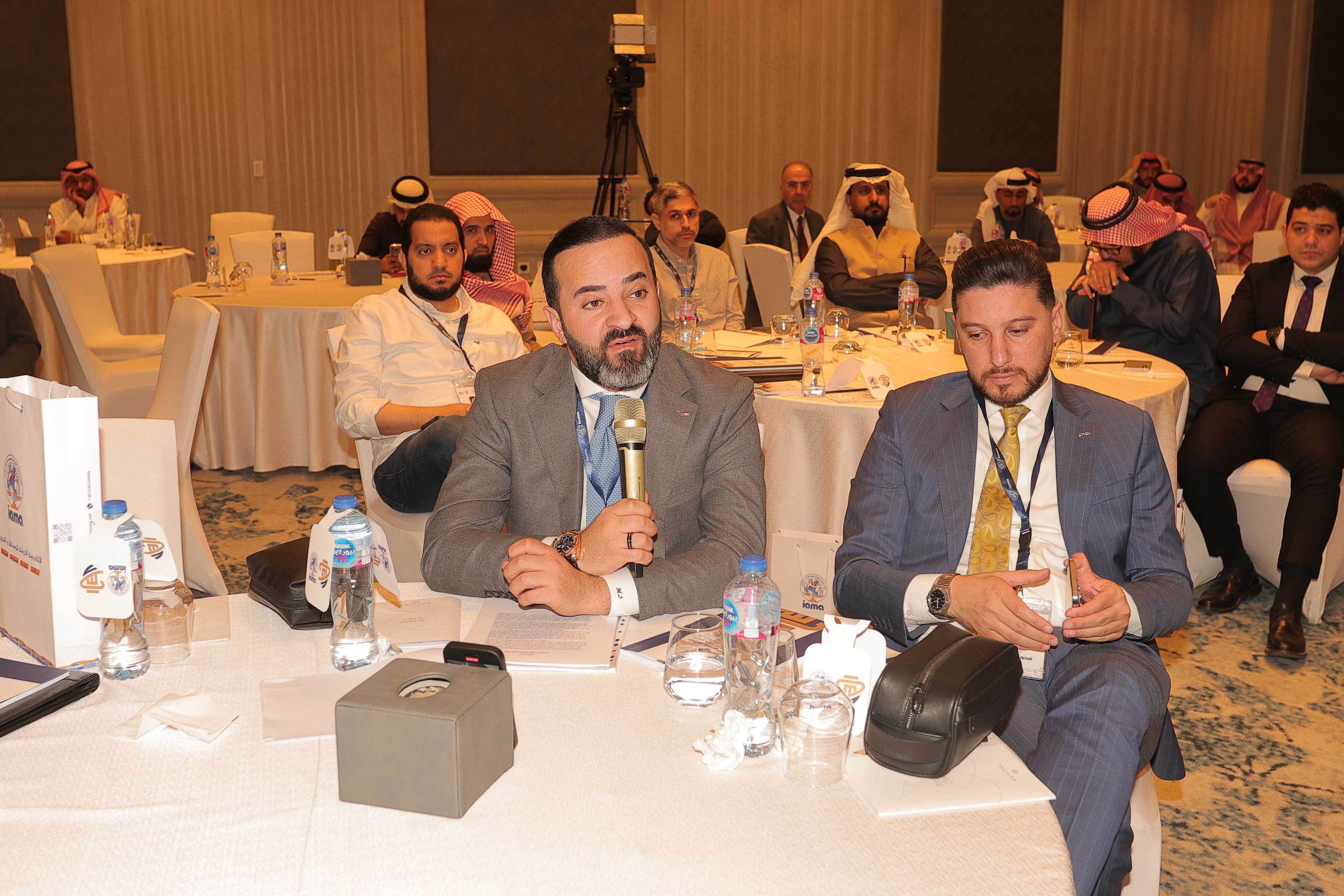
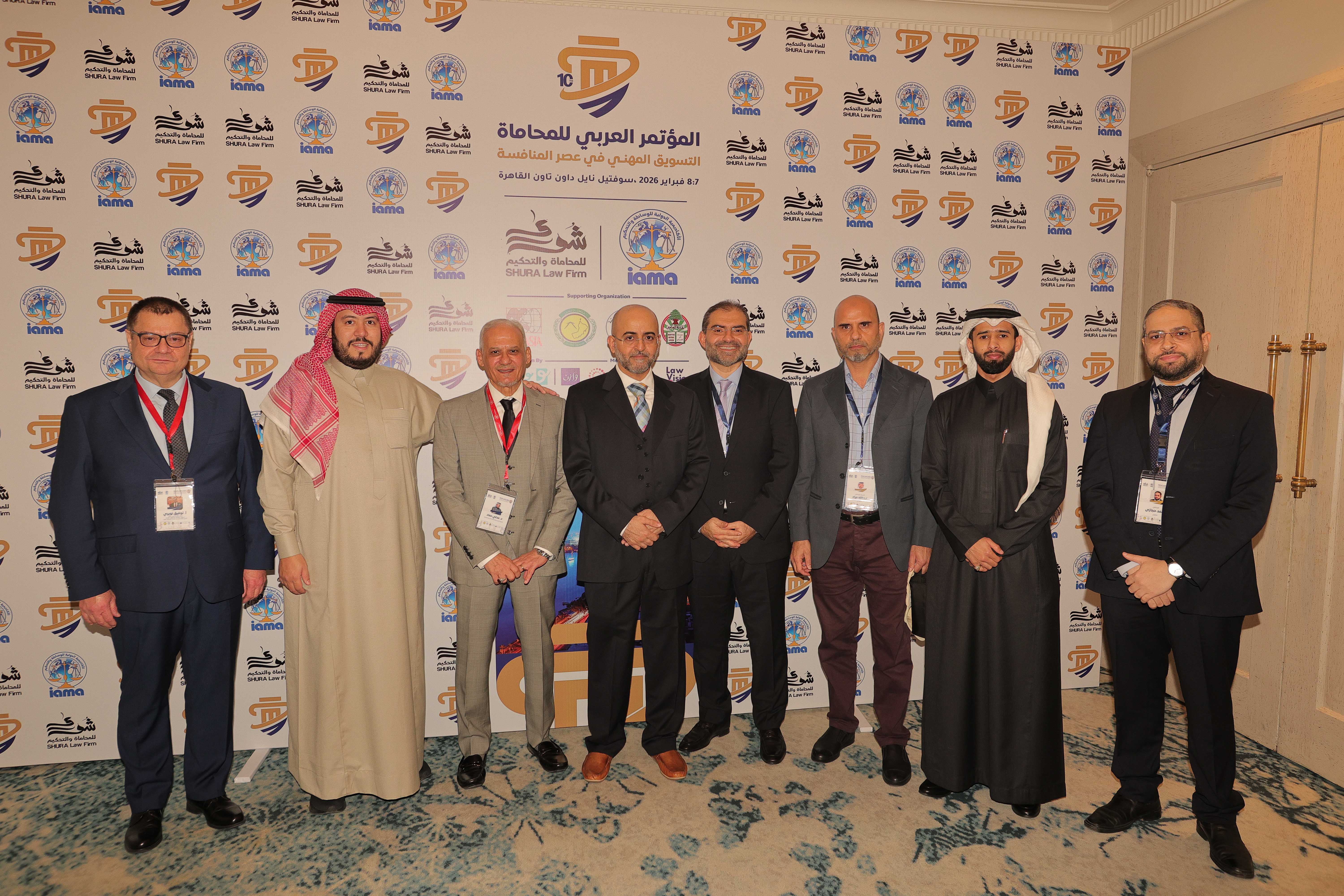
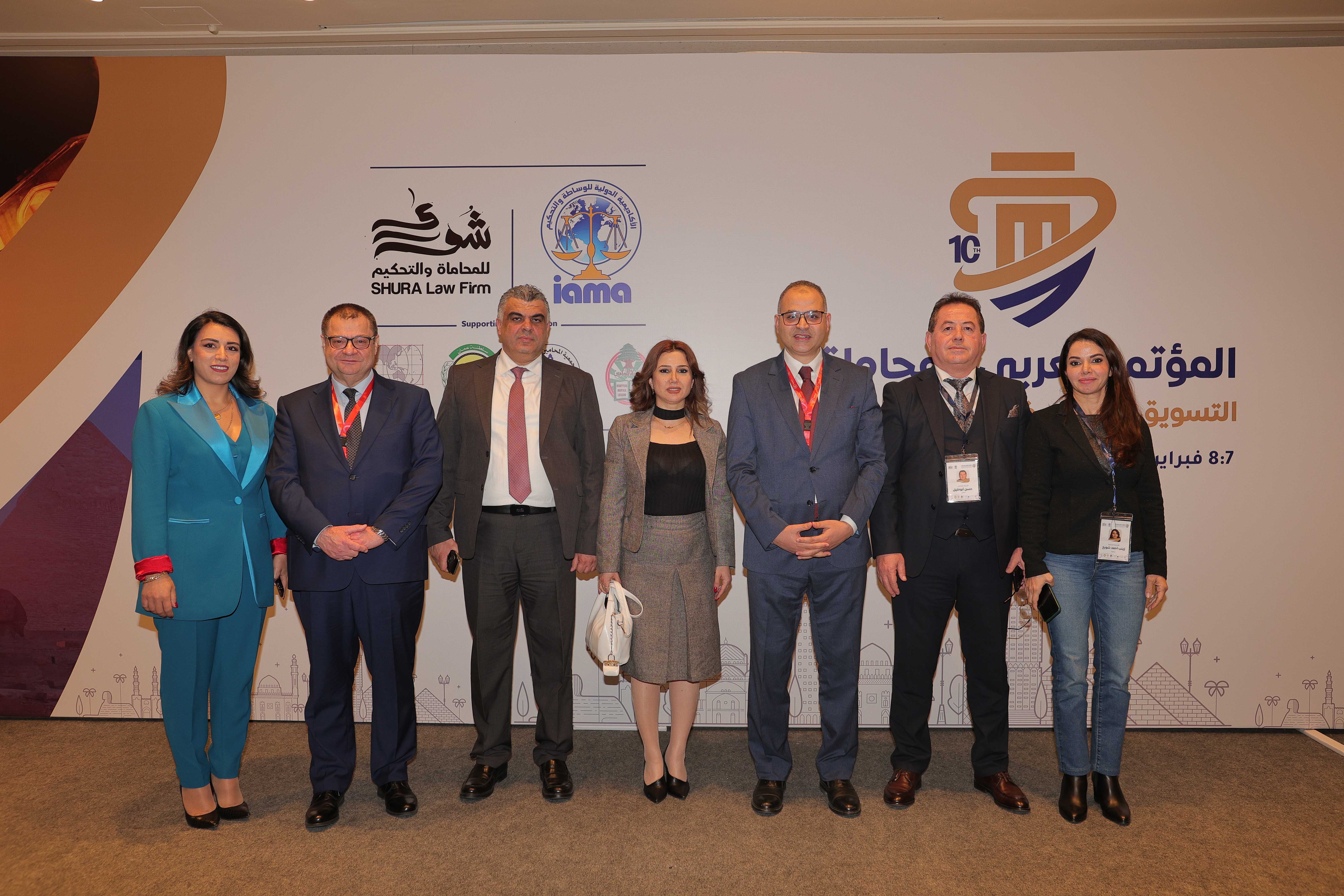
Participants Opinions
المحامي إبراهيم الجغبير/الأردن
8 February, 2026
ونحن كذلك سعدنا بالمشاركة بهذه النسخة المتميزة وبمشاركة أسرة المحاماة العربية الواحده وهذا الجو الاخوي بين الأشقاء، أرجو من العلي القدير ان يحفظ هذا البلد الطيب(مصر)
أ/ زهره ماجد الزيدان قطر مالكة مكتب / أمل عبدالله علي مغربي للمحاماة والاستشارات القانونية بالمملكة العربية السعودية مدينة جدة 🇸🇦
8 February, 2026
سُعدت بحضور المؤتمر العربي العاشر للمحاماة ٢٠٢٦ الذي تَضَمَن مناقشة عدداً من الموضوعات الهامة، على وجه الخصوص تحديات وفرص مهنة المحاماة في عصر التقنيات الناشئة،وعلى وجه الخصوص، أنظمة الذكاء الاصطناعي، وكذلك التعرف على قامات مميزة في الوطن العربي،،
محامية. اسماء الحناشي. /ليبيا.
8 February, 2026
كنت سعيد جدا بحضور. مع جميع الأساتذة وزملاء والحضور. وكذلك. كل محاضرين ومحاورين. استفدنا جدا من ما أخلصتم لنا من واقع وتجارب حقيقة في مهنة المحاماة لكم كل الشكر.
المحامية راغده أسعد / سوريا
8 February, 2026
يسعد صباح الجميع أشكر جميع المشرفين والقائمين على هذا المؤتمر... لقد سعدت جدا بالتعرف على زملاء وزميلات جدد كانوا قمة في الأخلاق و التواضع... شكرا لكم من كل قلبي وانشاء الله نلتقي في مؤتمرات أخرى...
المحامية / آسيا محمود عطيه - السودان سودانية الجنسيه
8 February, 2026
والشكر أجزله للقائمين على تنظيم هذا المؤتمر ، ومجهوداتهم المقدره لإخراج هذا العمل بهذا الإتقان الملحوظ ، ولكل المشاركين في ادارة الحوارات ، والعمالقه الذين استفدنا من خبراتهم في هذا المجال ،
المحامية سها بلوط - لبنان
8 February, 2026
أتقدم بجزيل الشكر والتقدير لكم دكتور وليد وللقيمين والمنظمين لهذا المؤتمر ، والذي جاء على مستوى عال من المهنية والدقة وحسن الاعداد ، وهذا ليس بجديد عليكم ، فانتم رواد في هذا المجال انطلاقا من حرصكم واخلاصكم في تحقيق الأهداف المرجوة والتي تصب في مصلحة المحامي العربي وفي كافة الميادين .
المحامي. عمر ورور - لبنان
8 February, 2026
شكرا لكل من ساهم بالمؤتمر الجميل والشيق ولما فيه من معلومات مفيدة وشكرا على حسن الضيافة وحسن الاستقبال وشكرا للفريق التنظيمي والإداري
أ.دعاء اليعقوبي - ليبيا
8 February, 2026
لقد كان المؤتمر فرصة قيّمة للاطلاع على العديد من الرؤى القانونية المتنوعة، كما تشرفت بالتعرف على نخبة من الزملاء والزميلات المحامين من مختلف الدول العربية، وهو ما أضفى على التجربة بعدًا إنسانيًا ومهنيًا رائعًا.
المحاميه : مريم بنت محمد الحربي - السعودية
8 February, 2026
سعدت بالمشاركة في هذه النسخة المميزة من المؤتمر، وكان للتنظيم والنقاشات الثرية أثر واضح.شكرًا لكم ولجميع القائمين على هذا الجهد، وتشرفت بالتعرّف على نخبة راقية من الزملاء.
المحامي الدكتور محمد العمايره- الأردن
8 February, 2026
لقد كان مستوى التنظيم، وحسن الاستقبال، وجودة المحتوى، دليلاً واضحًا على احترافيتكم وحرصكم على تقديم تجربة مميزة ومثمرة لجميع المشاركين. لقد أسهم المؤتمر في إثراء المعرفة وتبادل الخبرات، وكان له أثر إيجابي كبير، وهو ما يعكس حجم الجهد المبذول من قبلكم.
المحامية اسماء داغر - لبنان
8 February, 2026
سررت جدا بلقائي معكم جميعا في هذا الموتمر الناجح والذي قطفنا منه معلومات وخبرة في كافة القضايا التي تهم المحاماة مع تمنياتي دائما بالنجاح والتوفيق وعلى امل ان نلتقي جميعا في مناسبة اخرى نتبادل فيها الخبرات تحياتي واحترامي
المحامي عدنان ابل - الكويت
8 February, 2026
تشرفنا بأن نكون جزء بسيط منها في هذا المؤتمر النوعي حجماً ومضموناً بجانب نخبة من القامات القانونية كما تشرفنا بلقاء مجموعة جميلة من الزملاء من مختلف الدول والى لقاءات أخرى قريباً بمشيئة الله.
المحامي/ مالك السعيد- مصر
8 February, 2026
السادة أصحاب المقام الرفيع الكوكبة الرائعة من السادةالمحامين والمستشارين كان لى عظيم الشرف بمعرفتك جميعا و الاستفادة من علمكم و خبراتكم واتمنى ان نجتمع مرات اخرى و ان نتبادل الاعمال والمعلومات ونحن في خدمتكم دائما.
تركي بن بكري الراشدي - السعودية
8 February, 2026
الزملاء الكرام تشرفت بالجميع وسعدت جداً بالمؤتمر وما تضمنه من محاضرات وورش عمل مفيدة ومثريه اشكر جميع المتحدثين والقائمين وباذن الله يتجدد اللقاء معكم والجميع بكل خير وعافيه
شركة الجبر والجبور لاعمال المحاماة ... المملكة الاردنية الهاشمية
8 February, 2026
الشكر والتقدير لجهود القائمين على تنظيم هذا المؤتمر القانوني بمستوى مهني رفيع ما قدمتموه لم يكن فعالية فقط بل إضافة للفكر القانوني وتطوير الممارسة العملية .. وسرنا لقاء نخبة من الزملاء العرب من القامات المهنية مما اسهم في تبادل الاراء القانونية
أحمد إسماعيل / مصر
8 February, 2026
صباح الخير على الجميع اود ان ارسل انطباعي عن المؤتمر أولا في لقاء التعارف كان مترفعا عن كل امر يفسده اكتسا حميمية وود بذل المنظمين جهد يشكرون عليه والباقين هم من تعرفت عليهم والبداية جلوسي مع استاذ جميل سعودي بشوش مريح تعرفن على كل من على الطاوله ثم توال التعريف تباعا واؤكد ليس فيما تعرفت عليهم الا مميز وحسن الخلق ثم واعقبها رقصات مجمعة جامعة يحتويها عاطفة تريد الترابط وتحب الالفه هذا عن أول يوما ما عن الأشخاص في البدايه اتحدث عن المنظمين بنتنا هدى النشطة الذكية صاحبة الطلة البهيه التى كانت لا تغفل عن المتابعه والملاحقة واخريات لا اعرف اسمائهن مريم ومن كانت تقدم الحفلة فلها لغتها المميزة ومعها طقم متكامل ومكتمل ضف الباقين من الرجال والمصورين فلهم مني تعظيم سلام اما عن الاستاذ وليدصاحب الوجة البشوش والابتسامة الدائمة فهو معنا ويلحقنا يبحث عن راحتنا من هنا وهناك نكمل الباقي عن الذين اعتلوا منصة الحوار دكاترة او أساتذة ومنهم وفيهم من استفزني فهم طالني منهم استعراض ما وكان غير مريح بلنسبة لي ومنهم من اسعدني وافتخرت فيه وبة وهم الحضور الأول الأساتذة الكويت وبيروت وعمان هم من أحببت كلمتهم وكلامهم وكنت لهم محب لأنهم يقولون من القلب وما يشعرون به اما الباقين فلن اعلق خشية املاق او غضب فلم اجد فيهم الا التعالي والرفع والانا العليا فقط هم يتحدثون الانجليزية اغلب الكلام وشركاتهم وعدد المشغلين وقضاياهم وهكذا امر خرج عن مستهدف المؤتمر كما وجدت وهذا ربي الشخصي وانطباعي
المحامي/ عبدالله مراد - السعودية
8 February, 2026
كان لى الشرف بمعرفتك جميعا و الاستفادة من علمكم و خبراتكم واتمنى ان نجتمع مرات اخرى و ان نتبادل الاعمال والمعلومات ونحن في خدمتكم دائما.